 |
||||


News
Stainless steel industry underwent great changes in 2020 due to Covid-19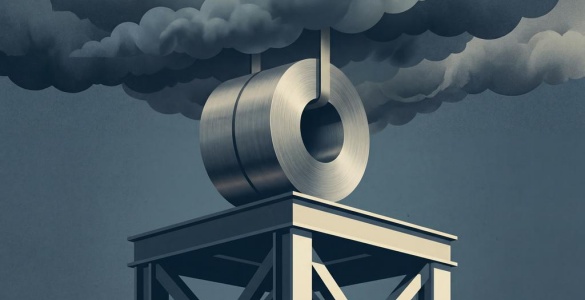 China’s stainless steel market in 2020 stood out globally as the only major source of growth during a year heavily impacted by COVID-19. While worldwide production declined, China increased output to roughly 30 million tonnes, accounting for more than half of global supply. This growth reflected the country’s faster recovery from the pandemic and its dominant position in the industry.
The year followed a two-phase pattern. In the first half, strict lockdowns disrupted manufacturing, construction, and exports, leading to weak demand and supply chain interruptions. However, from the second quarter onward, the market rebounded steadily. Government stimulus, infrastructure investment, and recovering sectors like home appliances and construction helped drive demand in the second half, offsetting earlier losses and resulting in stable or slightly positive full-year consumption.
Structurally, the market continued to face overcapacity, with utilization rates remaining relatively low. This oversupply put pressure on prices and margins, even as production increased. At the same time, there was a noticeable shift in product mix: higher-grade 300-series stainless steel (nickel-based) gained share, while lower-grade 200-series output declined, indicating gradual industry upgrading.
Trade patterns also shifted significantly. Exports fell due to weak global demand, while imports surged as domestic activity recovered and required more raw materials and semi-finished products. Overall, 2020 highlighted China’s resilience and growing self-reliance, but also underscored ongoing structural challenges such as excess capacity and reliance on raw material inputs. 【 Go Back 】 | 【 Print 】 | 【 Close this window 】 |
Contact us
Tel: +86-551-65587072
Fax: +86-551-65587075
E-mail: info@cnpeakmetal.com
MSN: cnpeakmetal@gmail.com
Skype: cnpeakmetal
Fax: +86-551-65587075
E-mail: info@cnpeakmetal.com
MSN: cnpeakmetal@gmail.com
Skype: cnpeakmetal