 |
||||


News
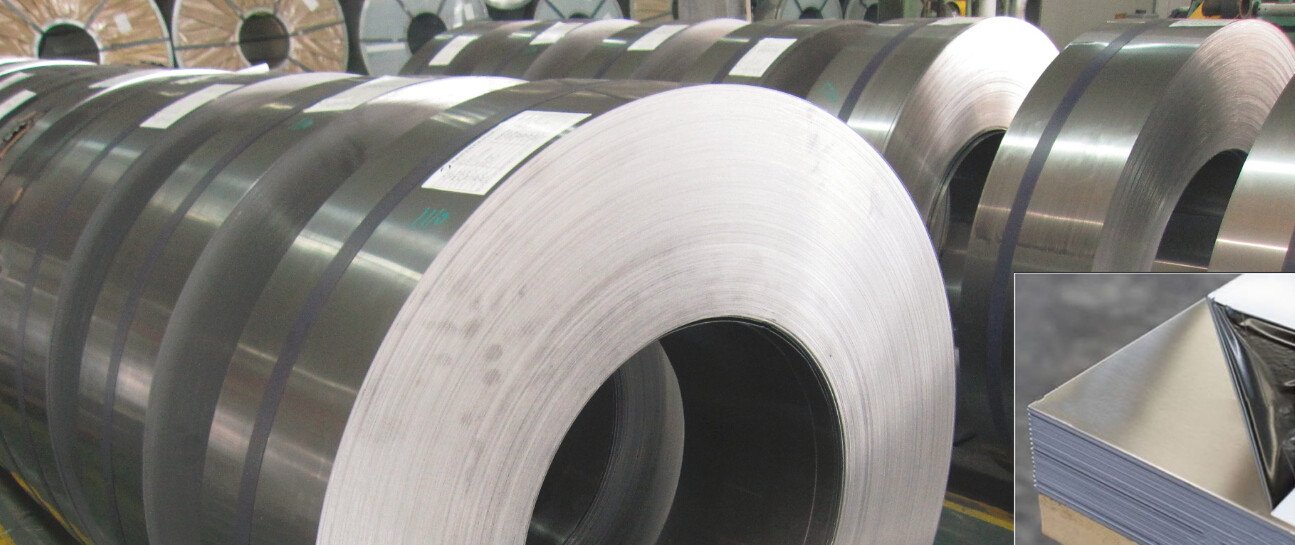
Stainless Steel Industry in China – Key Turning Point (2017)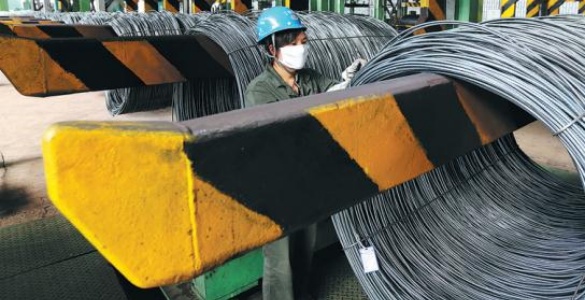 The most important development for China’s stainless steel industry in 2017 was the deepening of supply-side structural reform, especially the aggressive reduction of excess capacity and enforcement of environmental regulations. In 2017, the Chinese government intensified efforts to eliminate overcapacity, a long-standing issue that had led to oversupply, low prices, and inefficient production. Authorities not only continued cutting outdated steel capacity but also banned illegal low-quality production, such as induction furnace steel (“ditiaogang”), significantly improving overall industry quality.
At the same time, no new domestic stainless steel capacity approvals were granted, forcing companies to delay or cancel expansion projects. This marked a decisive policy shift—from growth in volume to controlled, higher-quality production.
Environmental pressure became another defining factor. Stricter regulations on pollution and energy use led to shutdowns of inefficient plants, raising compliance costs but accelerating modernization. These policies were closely tied to China’s broader goal of creating a cleaner and more sustainable industrial base.
Importantly, these reforms produced tangible economic results. After years of weak performance, the steel sector experienced a dramatic recovery in profitability, with industry profits surging sharply in 2017 due to reduced supply and stronger pricing power.
In summary, 2017 marked a structural turning point: China’s stainless steel industry shifted from rapid expansion to quality-driven, environmentally regulated, and more consolidated growth. This transformation not only stabilized domestic markets but also reshaped global stainless steel supply dynamics, as China moved toward a more disciplined and competitive industry model. 【 Go Back 】 | 【 Print 】 | 【 Close this window 】 |
Contact us
Tel: +86-551-65587072
Fax: +86-551-65587075
E-mail: info@cnpeakmetal.com
MSN: cnpeakmetal@gmail.com
Skype: cnpeakmetal
Fax: +86-551-65587075
E-mail: info@cnpeakmetal.com
MSN: cnpeakmetal@gmail.com
Skype: cnpeakmetal