 |
||||


News
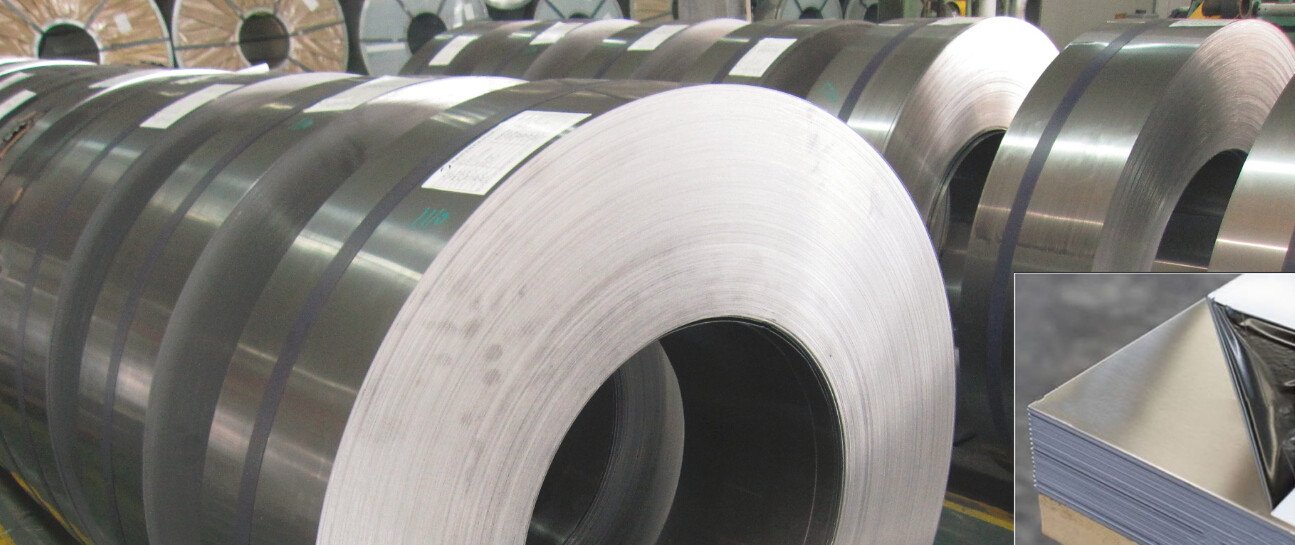
The stainless steel demand remained stagnant and low-growth equilibrium in 2024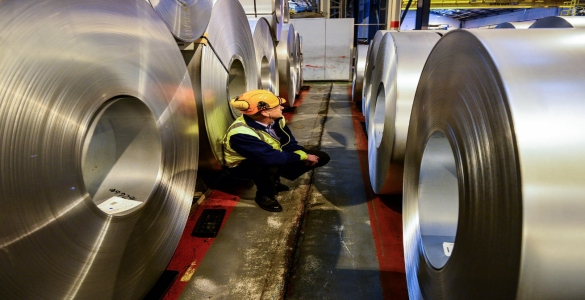 The stainless steel market in 2024 was defined by a decisive structural shift toward persistent oversupply combined with weak demand, even as raw material costs declined. After the volatility of previous years, supply chains had largely normalized and global production capacity remained high, particularly in Asia. At the same time, input costs—most notably nickel—fell significantly, which lowered alloy surcharges and reduced production costs across the industry. Under normal conditions, this would have supported prices and margins. However, demand failed to recover in a meaningful way.
Key sectors such as construction and general manufacturing remained subdued, especially in China due to its prolonged property downturn and in Europe due to high energy costs and weak industrial output. As a result, stainless steel prices stayed under pressure or drifted downward despite cheaper inputs, highlighting a deeper imbalance between supply and consumption. Rather than a cyclical rebound, 2024 became a year of market stagnation, where modest global demand growth was insufficient to absorb excess capacity. Buyers reacted strongly to this new environment, reinforcing the shift in market power away from producers. With prices showing little upward momentum and often trending lower, many buyers adopted a “wait-and-see” strategy, delaying purchases and minimizing inventories in anticipation of better deals. This behavior weakened order books and increased competition among mills. At the same time, buyers pushed back against mill pricing, resisting surcharge adjustments and favoring spot transactions over long-term contracts to retain flexibility. Another notable reaction was the growing preference for lower-cost imports, particularly from Asian suppliers such as China and Indonesia, which intensified pricing pressure in regional markets and contributed to rising trade tensions. Demand also became more selective, concentrating in relatively resilient sectors like energy, infrastructure, and certain industrial applications, while broader consumption remained weak. Altogether, 2024 solidified a buyer-driven market dynamic, where cautious purchasing, price resistance, and diversified sourcing strategies further entrenched the oversupply conditions and limited any meaningful price recovery. 【 Go Back 】 | 【 Print 】 | 【 Close this window 】 |
Contact us
Tel: +86-551-65587072
Fax: +86-551-65587075
E-mail: info@cnpeakmetal.com
MSN: cnpeakmetal@gmail.com
Skype: cnpeakmetal
Fax: +86-551-65587075
E-mail: info@cnpeakmetal.com
MSN: cnpeakmetal@gmail.com
Skype: cnpeakmetal